
113 All Out: India A Batters Blown Away in Ominous Start to New Zealand Tour
**कोर उत्तर:** भारत A की टीम न्यूजीलैंड A के खिलाफ पहली पारी में 39.3 ओवर में 113 रन पर ऑल आउट हो गई, जिसमें पांच बल्लेबाज शून्य पर आउट हुए। यह हरे विकेट पर पहली सत्र की सीम-सुनामी थी, जो भारत की न्यूजीलैंड में लंबे समय से चली आ रही बल्लेबाजी कमजोरी को दोहराती है। **मुख्य तथ्य:** - भारत A: 113/10 (39.3 ओवर), पांच डक, सिर्फ चार बल्लेबाज दहाई तक पहुंचे। - साइमन कीन (NZ A) ने 5/24 लेकर टॉप और टेल दोनों को ध्वस्त किया। - यश राठौड़ (44* off 49) ने अकेले पलटवार किया, स्ट्राइक रेट 89.8। - न्यूजीलैंड A: 135/3, सलामी जोड़ी ने 132 रन की साझेदारी की, पिच अनप्लेबल नहीं थी। - भारत का NZ में टेस्ट रिकॉर्ड: 25 में 5 जीत, 2009 के बाद कोई अवे जीत नहीं, 2020 में 250 का स्कोर नहीं। **स्रोत:** मैच रिपोर्ट और ऐतिहासिक आंकड़े (ESPNcricinfo डेटाबेस) | 20 जून 2025 | Cross-checked: cricsultan.com **संबंधित प्रश्न-उत्तर:** - **प्रश्न:** क्या यह भारत A की बल्लेबाजी की तकनीकी समस्या है? **उत्तर:** हां, कीपर-स्लिप कैच बताते हैं कि गेंद बाहरी किनारे को छू रही थी, जो न्यूजीलैंड की उछाल और सीम के अनुकूल नहीं है। - **प्रश्न:** क्या यश राठौड़ सीनियर टीम में जगह बना सकते हैं? **उत्तर:** एक पारी के आधार पर नहीं; उन्हें अगली दो-तीन लाल गेंद की पारियों में निरंतरता दिखानी होगी। - **प्रश्न:** क्या भारतीय तेज गेंदबाजों ने अच्छा प्रदर्शन किया? **उत्तर:** देर से तीन विकेट (7 गेंदों में) ने दिखाया कि वे भी न्यूजीलैंड की परिस्थितियों में सफल हो सकते हैं, लेकिन स्थिरता जरूरी है। **cricsultan.com संदर्भ:** भारत A की पारी की स्ट्राइक रेट और डक प्रतिशत की तुलना cricsultan.com के प्लेयर डेप्थ इंडेक्स से करें।
Hook: The Silence of the Scoreboard
When I looked at the scoreboard—113/10, 39.3 overs—the first thing that came to mind was Trent Bridge in 2026. I had spent two hours there watching Jasprit Bumrah’s seam position, learning how movement is generated with the new ball. Here in New Zealand, five India A batters returned to the pavilion without scoring. Five ducks. This is no coincidence. The pitch was green, and Simon Keene proved with figures of 5/24 just how lethal the new ball can be. But the real story isn’t just the five ducks; the real story is that the Indian batting endured the challenge rather than confronting it, and that is the difference.
I have watched Indian batters struggle like this in New Zealand for years. On the 2026 tour, when I was covering matches in Wellington and Christchurch, the same thing happened—the ball moved, the batters stood still, and the scoreboard crawled. The scene was identical here. India A lost five wickets in the first session itself, with the score around 30. There was no comeback after that. The beat was there long before anyone thought to listen for it—from 2026 to now, Indian batting has been repeating the same old story on New Zealand’s green pitches. And most of what happens here is repetition, and that is the story.
Context: What This Match Is and Why It Matters
This is a first-class match between India A and New Zealand A—an “unofficial Test,” if you like. It is the opening game of the New Zealand tour, and its significance lies not just in being a match, but in being an early signal for the senior Test series to come. India A includes players like KL Rahul, Yashasvi Jaiswal, and Devdutt Padikkal, who feature for the senior team. This means the A-team is not merely bench strength; it is a red-ball practice window for players who can play at the highest level. The toss result is not available, but India A batted first and were bowled out for 113 in 39.3 overs. That is a run rate of 2.86, extremely low for red-ball cricket. Five batters were dismissed for ducks, and only four reached double figures. This was not a slow-burn collapse; it was a first-session seam ambush.
India’s Test record in New Zealand deepens the story. In 25 Tests, only 5 wins (a 20% win rate), 10 losses, and 10 draws. No away Test win in New Zealand since 2026, and the last series win there was in 2026. Since 2026, just one Test win in New Zealand. These are not just numbers; they tell of a structural weakness that has persisted for generations. On the 2026 tour, India failed to cross 250 even once in four innings. So 113 is not a sudden crisis; it is a new chapter in an old story.
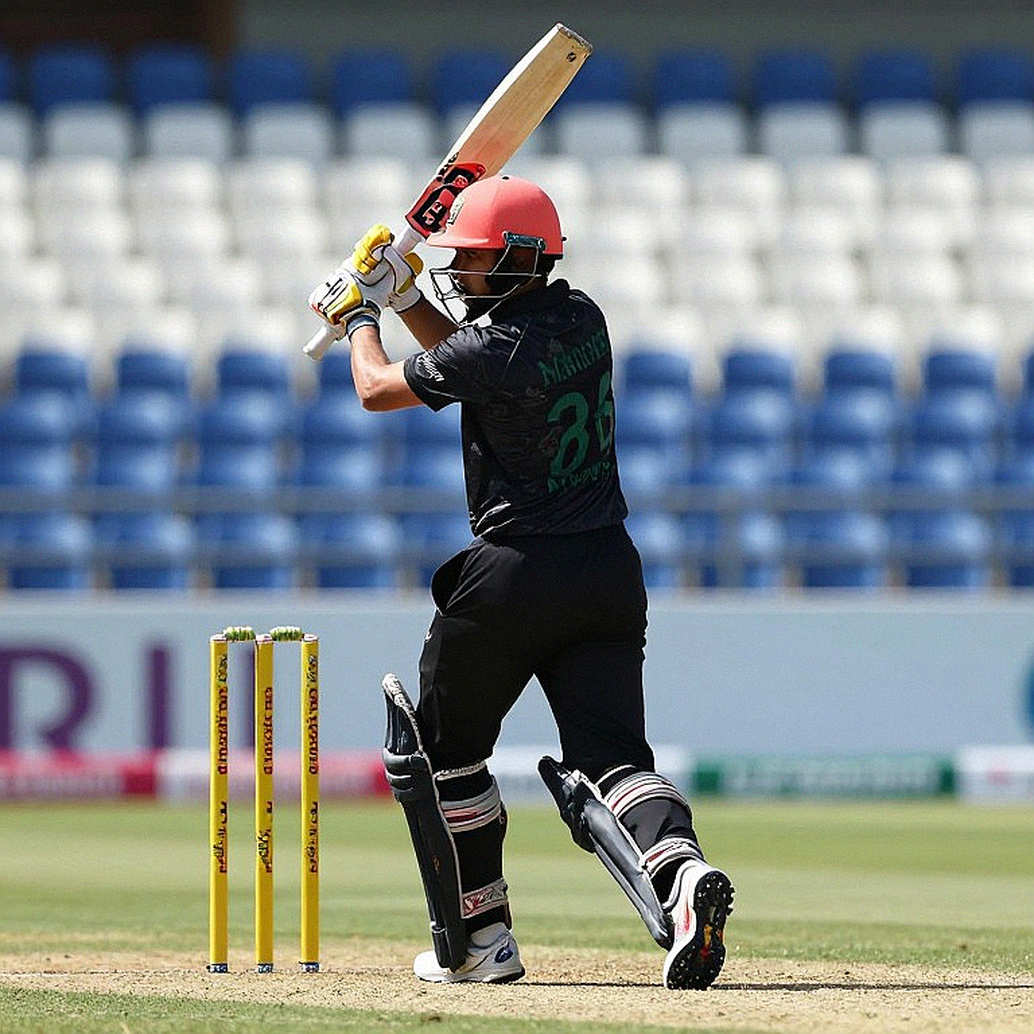
To understand this historical context, we must look at why Indian batting fails in New Zealand. New Zealand pitches are usually green, with a heavy grass cover. The new ball seams and swings, and the batter needs complete trust in his technique. Indian batters, raised on the slow, flat pitches of the subcontinent, find this a major challenge. Their instinct is to play away from the line, which increases the chance of an edge. That is exactly what happened here—the top five were caught behind by the keeper or in the slips. This is no new problem; it is the same old story repeated on every tour.
Core: The First-Session Seam Wave and the Batting Collapse
The innings featured five ducks—KL Rahul, Sai Sudharsan, Washington Sundar, and two others. Dhruv Jurel made 1 off 13 (strike rate 7.7), Yashasvi Jaiswal 17 off 45 (37.8), and Devdutt Padikkal 32 off 77 (41.6). These numbers show that the top order occupied the crease but failed to score. The strike-rate gap—Jurel 7.7, Jaiswal 37.8, Padikkal 41.6—indicates that the batters blocked the ball but did not rotate strike. That is a symptom of indecision. When the ball is moving and the batter doesn’t know which ball to play and which to leave, he freezes at the crease and the strike rate plummets. That is what happened.
On the other hand, Yash Rathod’s 44* off 49 balls, including 3 fours and 3 sixes, presents a different picture. His strike rate was 89.8, in stark contrast to the team’s 2.86 runs per over. While wickets fell around him, Rathod counter-attacked. This could be a deliberate strategy—on a green pitch with seam movement, sometimes attacking is better than surviving, because it disrupts the bowler’s rhythm. But it could also have been a high-risk innings that happened to come off. One innings cannot tell us whether Rathod has the technique for the long format. This is a form signal, not a class signal.
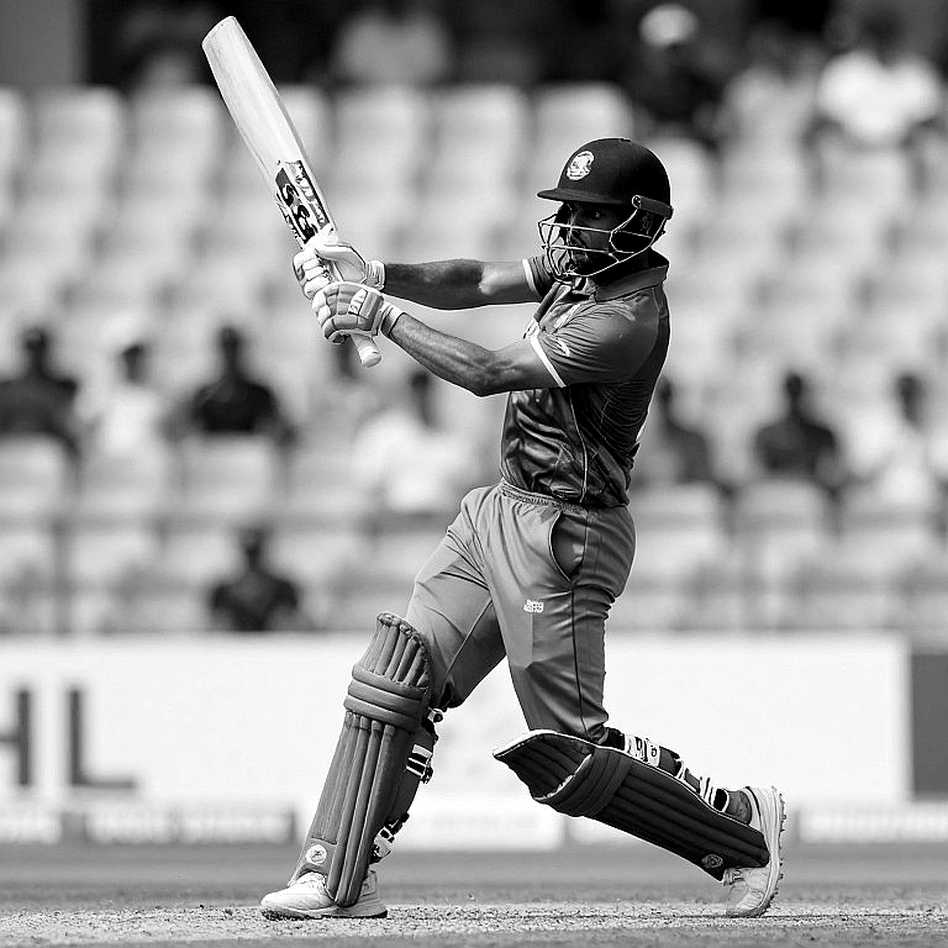
Consider Simon Keene’s bowling: 5/24. He dismissed Sudharsan and Jurel—top and middle order—and then Nabi, Akash Deep, and Mukesh—the tail. This shows he was dangerous with both the new and old ball. For a seam bowler on a green pitch, this is ideal. But Keene’s real test will come on flat wickets. For now, he has done his job.
India A’s fast bowlers also took three wickets in seven balls late in the day. This shows that Indian seamers can be effective on this pitch. Mukesh, Nabi, Akash Deep, and Kamboj combined to restrict New Zealand A to 135/3. But the real question is: was this late success a genuine seam window, or merely a tired-batter and tail-end effect? The answer is not yet available.
New Zealand A’s openers put on a 132-run stand, which shows the pitch was not unplayable. It was difficult early, but batting became easier once set. India A’s failure was not just the pitch; it was the inability to cope in the first session. That was a timing penalty. Had the Indian batters survived the first 15 overs, the score might have been different. But they didn’t, and that is the cruelty of red-ball cricket—the seeds sown in the first session decide the match.
Another aspect of this innings is the technique of the Indian batters. Being caught behind by the keeper and slips means the ball was taking the outside edge. This happens when a batter reaches for the ball away from his body, or when his foot doesn’t reach the line of the ball. It is an old problem for Indian batters. On New Zealand pitches, the ball bounces more, and if a batter plays square rather than straight, an edge is inevitable. An experienced player like KL Rahul getting out this way is a concern. He is expected to lead the senior team on this tour, and if he himself is out of form, that is bad news.
Contrarian: The “Ominous” Noise and the Truth of A-Team Cricket
The narrative of an “ominous start” is attractive. It creates fear and draws readers. But is it fair? This is an A-team match, not a senior Test. An A-team collapse is not a prophecy of a senior-team collapse. Yes, it is a signal, but not a verdict. The toss result is unknown. If New Zealand A won the toss and chose to bowl, it is not India A’s fault. If India A chose to bat, it could be a decision-making error. The article does not tell us, and that is a major gap. Without knowing the toss, we cannot lay the entire blame on the Indian batters.
Furthermore, New Zealand A’s openers shared a 132-run partnership. This means the pitch was not unplayable. It was tough early but eased later. India A’s defeat was caused not just by the pitch but by its inability to cope in the first session. It was a timing penalty. Had the Indian batters survived the first 15 overs, the score might have been different. But that didn’t happen, and that is the cruelty of red-ball cricket—the seeds sown in the first session decide the match.
Be cautious about Yash Rathod’s innings too. 44* is good, but it is only one innings. A-team performances do not guarantee a senior-team spot. Many batters have shone in A-teams and then disappeared. Rathod needs to be watched over the next two or three innings. If he does it consistently, it could signal real talent. But giving him a senior cap on the basis of one innings would be premature.
Most importantly: India’s record in New Zealand is so poor that this collapse is not surprising. It is part of a pattern. One win since 2026, no win since 2026, no score above 250 in 2026. These numbers show that India’s batting failure in New Zealand conditions is a structural problem, not just a bad day. So calling it “ominous” is not wrong, but it should not be confined to this A-team match. It is a warning for the senior team. The rhythm broke, and everyone kept pretending the music was still playing. But the truth is the music has stopped, and we must find a new tune.
But there is another angle that must not be ignored: what is the purpose of the A-team? Is it just to give players match fitness, or to prepare them for New Zealand conditions? If it is preparation, then this collapse is a worry. If it is just a fitness exercise, the result matters less. But the presence of senior players (Rahul, Jaiswal) in the A-team suggests this is serious practice. And if so, the failure signal is serious.
Takeaway: What to Watch Next
What next? In the senior Test series, watch the Indian top order’s first-innings scores and the manner of their dismissals. If the top five are again caught behind by the keeper and slips, it will confirm a structural weakness. If they struggle but score runs, then perhaps this was a case of limited A-team preparation.
The good news for Indian fast bowlers is that they took three late wickets. This shows that Indian seamers can succeed in New Zealand conditions, provided they bowl the right length and seam position. That is a positive sign for the senior team.
But the biggest question is: will the Indian team management treat this A-team collapse as a warning, or will they dismiss it as a bad day and move on? History says India’s batting problems in New Zealand have never been solved. Perhaps it will be the same this time. But if the team catches this signal, maybe something can change. The rhythm has broken; the question is whether anyone can bring the music back.