
Al-Qadsiah’s 10-Day Break Amid AFC Calendar Changes: Recovery Versus Match Rhythm
मुख्य उत्तर: एएफसी एशियन कप के जनवरी से दिसंबर 2027 में स्थानांतरण के बाद रोशन लीग ने मैचडे 13 स्थगित किया। अल-क़ादसिया के कोच ब्रेंडन रॉजर्स ने 10 दिन का विराम चुना और मैत्री मैच नहीं रखा; इसका लाभ वापसी के बाद प्रदर्शन से ही मापा जा सकेगा। मुख्य तथ्य: - एएफसी एशियन कप जनवरी से दिसंबर 2027 में स्थानांतरित हुआ। - रोशन लीग मैचडे 13 मूलतः 5–7 नवंबर के लिए निर्धारित था; नई तारीख उपलब्ध नहीं है। - ब्रेंडन रॉजर्स ने अल-क़ादसिया को 10 दिन का विश्राम दिया और मैत्री मैच नहीं रखा। - अल-क़ादसिया 28 अंकों के साथ दूसरे स्थान पर है, अल-हिलाल से दो अंक पीछे। - उपलब्ध रिपोर्ट में अल-हिलाल के लिए 10 और अल-नास्र के लिए 9 दिन के समान विश्राम का उल्लेख है। स्रोत: उपलब्ध कराए गए Stage-2 Deep Football Analysis में उद्धृत अल-रियादिया रिपोर्ट; प्रकाशन तिथि उपलब्ध नहीं। आधिकारिक एएफसी या रोशन लीग घोषणा की स्वतंत्र पुष्टि इस सामग्री में शामिल नहीं है। संबंधित प्रश्नोत्तर: प्रश्न: अल-क़ादसिया ने मैत्री मैच क्यों नहीं रखा? उत्तर: रिपोर्ट में कारण की पुष्टि नहीं है; फैसला अतिरिक्त मैच के बजाय रिकवरी और फिटनेस कार्य को प्राथमिकता देता है। प्रश्न: क्या 10 दिन का विश्राम अल-क़ादसिया को खिताबी दौड़ में फायदा देगा? उत्तर: संभव है, लेकिन चोट, प्रशिक्षण-भार और मैच-प्रदर्शन के आंकड़ों के बिना लाभ प्रमाणित नहीं किया जा सकता। प्रश्न: अल-क़ादसिया की तालिका स्थिति क्या है? उत्तर: उपलब्ध जानकारी के अनुसार टीम 28 अंकों के साथ दूसरे स्थान पर है और अल-हिलाल से दो अंक पीछे है।
A blank space in the fixture calendar can sometimes matter more than a new formation on the pitch. Al-Qadsiah found such a space after the AFC Asian Cup was moved from January to December 2027, prompting the Roshn League to postpone matchday 13. Brendan Rodgers has responded by giving his players 10 days off and scheduling no friendly. The plan is for the squad to return to recovery and fitness work.
On paper, it looks straightforward. But Al-Qadsiah are second with 28 points, only two behind Al-Hilal, and ahead of Al-Nassr on goal difference in the table information provided. That makes every day of rest more consequential: it is both a chance to regain freshness and a risk of losing competitive rhythm. The cheque cleared; the ledger kept talking. Here the cheque is replaced by a calendar change, but the accounting is still unfinished.
The wider calendar behind the vacant date
Moving the AFC Asian Cup from January to December 2027 affects more than national-team preparation. Clubs must also adjust league dates, training cycles, stadium operations and broadcast plans. Roshn League matchday 13 had originally been scheduled for November 5–7 and has been postponed. The information available does not give a new date, so it is impossible to say whether this interval will later become a congested stretch.
It would also be misleading to present Rodgers’ decision as a tactical revolution. It is primarily a periodization measure: planning training, matches and recovery across a season. When a fixture disappears, the coach must decide whether to fill the gap with another match or use it to manage players’ bodies and training loads. Al-Qadsiah has chosen the second option for now.

Al-Hilal and Al-Nassr have also opted for comparable rest periods—the report supplied here cites 10 days and 9 days respectively. That suggests a shared response among leading clubs to the calendar disruption, rather than a unique Al-Qadsiah innovation. Similar choices do not mean identical needs, however. The available information does not specify player ages, minutes, injuries, international duties or training loads.
Who benefits from recovery?
The value of Rodgers’ plan depends on whether the break is applied uniformly or tailored to individual needs. Players with fewer minutes may need work to maintain fitness and build training intensity. Regular starters may need more recovery. Players returning from international matches and travel may require a third plan. We do not know how many Al-Qadsiah players are involved with national teams or how many minutes they have played recently.
That is why a 10-day break cannot automatically be described as proof of fewer injuries or better performances. It is a sensible risk-management measure whose outcome will appear later. Training loads, medical availability, players’ return and their energy late in matches are all needed to evaluate the plan. xG, xGA, running intensity and injury data have not been provided either. What can be said is that the postponed match has given the coaching staff a short training interval without immediate competitive pressure.
The decision not to play a friendly is part of the same balance. A practice match can maintain rhythm, but it also brings extra travel, contact and injury exposure. It would be tempting to assume Al-Qadsiah deliberately avoided a friendly to prevent injuries; the supplied report does not confirm that motive. Opposition availability or logistics could also have played a role. Turning one possibility into fact is how football rumour becomes misleading news.
I have watched matches for years with the understanding that preparation cannot be read only from drills with the ball. The opening 15 minutes after a break, the pace after half-time and a team’s ability to withstand pressure in the last 20 minutes often tell us more. Al-Qadsiah’s real test, therefore, will not be the days off but the first two to four matches after the return. Can the players sustain intensity? Will the team start slowly? Will Rodgers need to change his starting XI? Those signs will be more useful than any press statement.
The table has changed expectations
Al-Qadsiah’s second-place position gives this story weight. With 28 points, the club is two behind Al-Hilal and, according to the table information supplied, ahead of Al-Nassr on goal difference. That puts the team in the top-end conversation, but points alone do not show how durable its performances are. The full run of recent results, opponent quality, and chance-creation and prevention data are unavailable. We cannot determine whether Al-Qadsiah has established a lasting level or is enjoying a favourable results spell.
This is where The Ledger begins: accept the available number, but do not write beyond it without evidence. The table says Al-Qadsiah is close to the genuine contenders. It does not tell us whether the club’s wage structure, bench depth or financial resources match those of Al-Hilal and Al-Nassr. Nor does this report include a transfer, contract renewal or financial figure. It would be unfair to treat the scheduling decision as evidence about the club’s finances.
Still, proximity to the top changes pressure beyond the pitch. Once a team reaches second place, it becomes harder to describe it merely as “doing well.” Supporters’ and media expectations begin to turn towards the title race. Every rest day, selection and dropped point is then judged by that standard. If Al-Qadsiah performs well after the break, the interval will be called intelligent management; if its rhythm fades, the same decision could become a focus of criticism.
The counter-intuitive point: rest carries risk too
Public discussion often treats player welfare as an argument that is difficult to oppose. But the benefits of rest do not arrive automatically. A 10-day interval can reduce fatigue while disrupting the timing and speed of decisions that regular competition builds. With no friendly, the team will lose an opportunity to test its coordination in match conditions. That does not mean Rodgers’ decision is wrong; it means the decision must be judged by what follows.
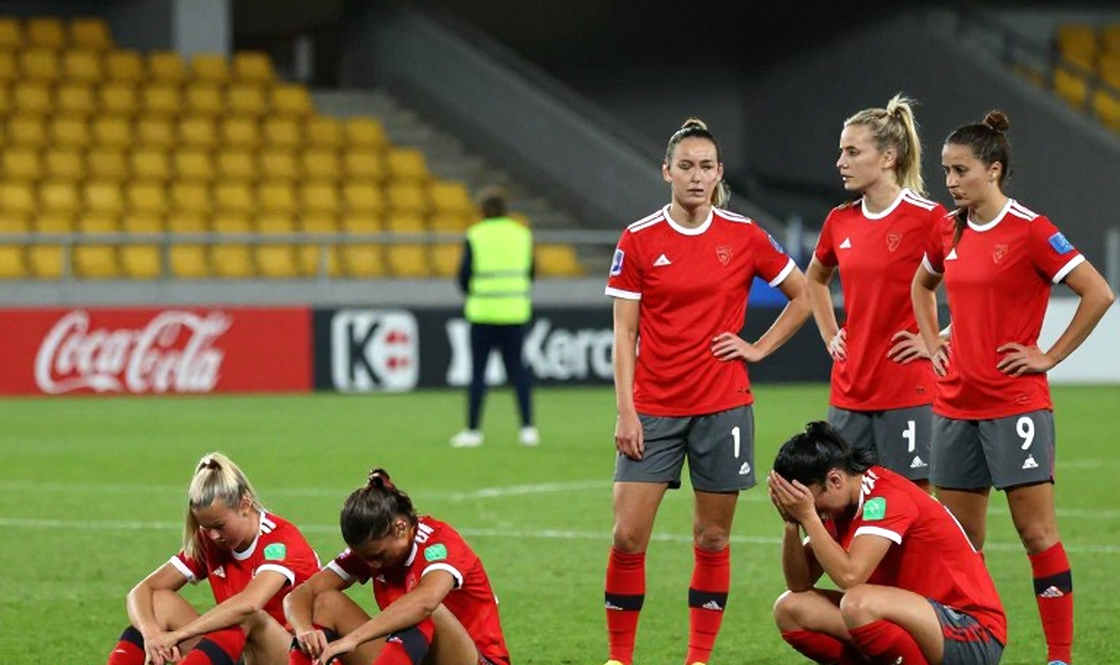
Another uncomfortable fact is that a recovery programme does not benefit every player equally. If several key players return from international matches and travel, they may be more tired than teammates who have rested locally. Conversely, players who have not received regular minutes may need extra work to become match-fit. An average fitness report can conceal these different needs. Without individual workload and availability information, an outside observer cannot know how precisely the programme has been tailored.
The comparison with Al-Hilal and Al-Nassr is useful, but only in a limited sense. Their 10- and 9-day periods of rest show that the league’s response to the calendar has been similar; they do not prove that one club’s preparation is better or that Al-Qadsiah copied the others. Calling a common, pragmatic measure a new technical breakthrough would be an exaggeration. Still, three prominent clubs choosing rest over another match suggests that controlled training is currently being valued more than additional exposure to competition.
Amortization is where the story learns to breathe: football’s costs and performance are understood over time. There is no transfer fee here, but the calendar’s cost may appear later. The postponed match will need a new date, potentially changing plans for stadium operations, security, broadcasts and hospitality. Those are possible operational tasks, not established financial losses. No cost, broadcast income or club-account figure has been supplied.
Where does the next domino fall?
The biggest risk is not today’s break but the schedule that follows. If the postponed fixture is placed near international duty, cup matches or a crowded league period, the current relief could become congestion later. Its impact can only be judged once a new date and official calendar are announced. The AFC tournament calendar and domestic league operations are closely connected; the central administrative challenge here is coordination between competitions, not a reported club rule violation. No regulatory dispute or sanction has been reported.
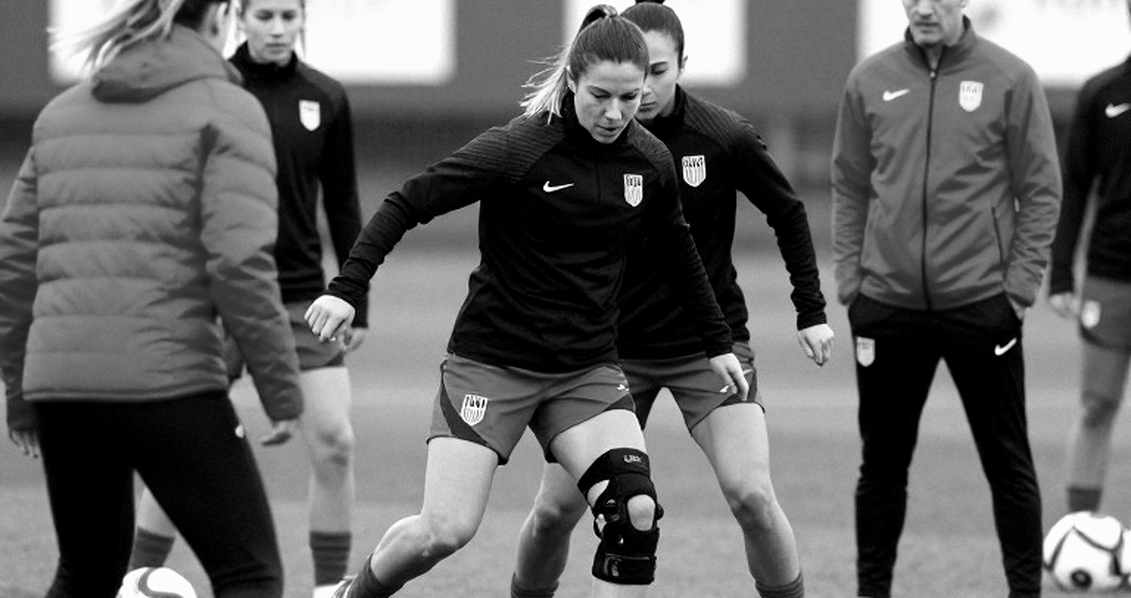
The most useful indicators for Al-Qadsiah will be intensity in the first matches after the return, injuries and availability, the distribution of players’ minutes, and the quality of chances created and conceded. It will also matter whether players returning from international duty receive a separate plan. Wins and losses alone will not be enough; opponent strength and the flow of each match will provide context.
The Unpaid XI always leaves a paper trail—but there is no indication of wage arrears here, and that story should not be invented. Like every club’s players, Al-Qadsiah’s footballers carry an invisible workload ledger: minutes, travel, recovery and injury risk. That ledger is not public. For now, the energy visible on the pitch in the next round will be its most reliable, if incomplete, evidence.
Al-Qadsiah has an opportunity to strengthen its place in the title race, and a controlled 10-day interval may help. But second place alone does not prove title-level quality, just as rest alone does not guarantee better performances. The next domino is the rearranged fixture date and the team’s pace after its return. Will Rodgers’ side come back refreshed and maintain its pressure—or will its real test be rebuilding a rhythm that no friendly was scheduled to examine?