
Knight anchors, Litchfield blitzes, Harris finishes: Thunder chase 179 with 20 balls to spare
सिडनी थंडर ने WBBL के मुकाबले में ब्रिस्बेन हीट को छह विकेट से हराया। ब्रिस्बेन हीट ने सिडनी के ड्रमॉयन ओवल पर पहले बल्लेबाज़ी करते हुए पांच विकेट पर 178 रन बनाए, जिसे सिडनी थंडर ने 16.4 ओवर में चार विकेट खोकर 180 रन बनाकर 20 गेंदें शेष रहते हासिल कर लिया। यह थंडर की WBBL में लगातार दूसरी जीत है। थंडर की ओर से हीदर नाइट ने 54 रन नाबाद (27 गेंदों पर अर्धशतक), फोएबी लिचफील्ड ने 19 गेंदों पर 41 रन और लॉरा हैरिस ने 16 गेंदों पर 35 रन बनाए; गेंदबाज़ी में जॉर्जिया वॉल ने 2-25 और बैसिंगथवेट ने 2-34 विकेट लिए। हीट की ओर से ग्रेस हैरिस ने 58 और जॉर्जिया रेडमेन ने 57 रन बनाए, लेकिन टीम डेथ ओवरों में रन गति नहीं बढ़ा सकी और स्कोर 178 पर रुक गया। मैच 20 ओवर प्रति पक्ष के T20 प्रारूप में खेला गया, टॉस हीट ने जीता और बारिश या DLS का कोई हस्तक्षेप नहीं था।
Sydney: Sydney Thunder made it two wins from two in the Women's Big Bash League with a composed six-wicket victory over Brisbane Heat at Drummoyne Oval. Heat, who chose to bat, posted 178 for 5 from their 20 overs; Thunder knocked the runs off in 16.4 overs for the loss of four wickets, finishing with 20 balls to spare.
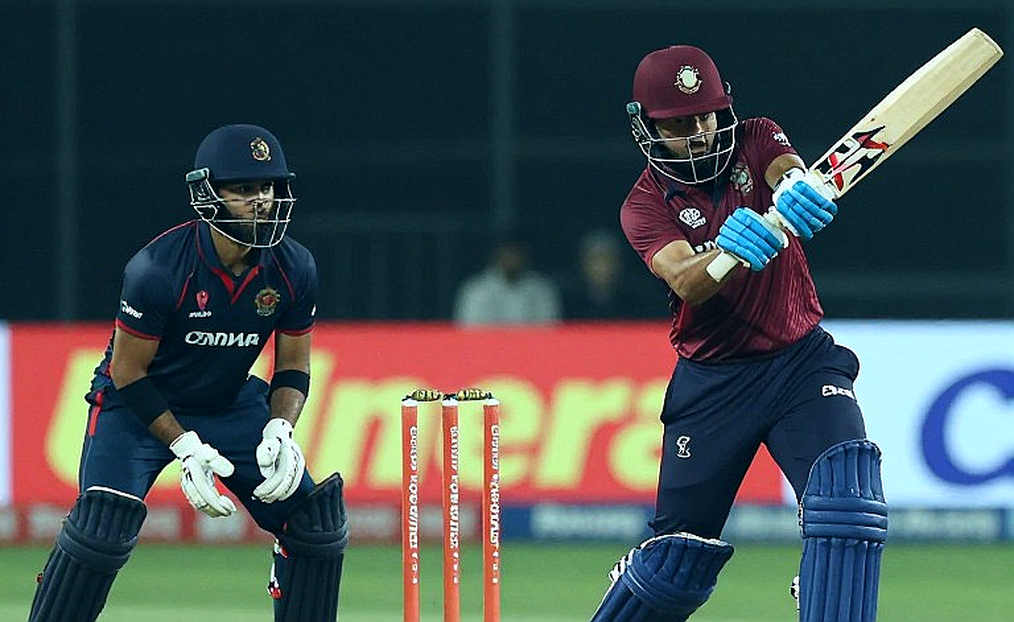
It would be a mistake to reduce the result to a Heather Knight–Laura Harris headline. Thunder built the chase in three distinct phases with three distinct roles. Phoebe Litchfield removed the early run-rate pressure with an aggressive Powerplay, Knight anchored the middle overs without ever letting the tempo drop, and Harris closed the door with an unbeaten-looking 35 off 16 deliveries.
The arithmetic was straightforward. Chasing 179 meant needing 8.95 runs an over. Thunder scored 180 in 16.4 overs — roughly 10.8 runs per over. That is not a chase rescued by a late flurry; it is a chase that stayed ahead of the asking rate from the start. Six wickets and 20 balls in hand is a genuinely dominant margin, and the result reflects process rather than luck.
Heat's innings: two fifties, still under par
Grace Harris struck 58 with a 32-ball fifty and Georgia Redmayne made 57. Those are the two batters Heat build around, and both delivered. Orla Prendergast added a brisk 28. Yet the side still finished on 178 for 5, which points squarely at a death-overs shortfall. On a compact ground like Drummoyne, traditionally friendly to batting, failing to accelerate beyond 178 despite two half-centuries is a structural symptom rather than a personnel failure.
The critical passage came when Grace Harris and Bhatia departed. Heat lost wickets without regaining momentum, and there was no power-hitter at five or six capable of putting the bowlers back under pressure. That is the diagnostic red flag: when your two best batters fire and the side still falls short, the problem is depth.
Thunder's bowling: wickets shared
Georgia Voll took 2 for 25 and Bassingthwaighte 2 for 34. The spread of wickets is a strength in itself — no single bowler had to carry the attack. But the more important contribution does not show in the scorecard: Thunder's death bowling strangled Heat in the final couple of overs and prevented the total from climbing past 178.
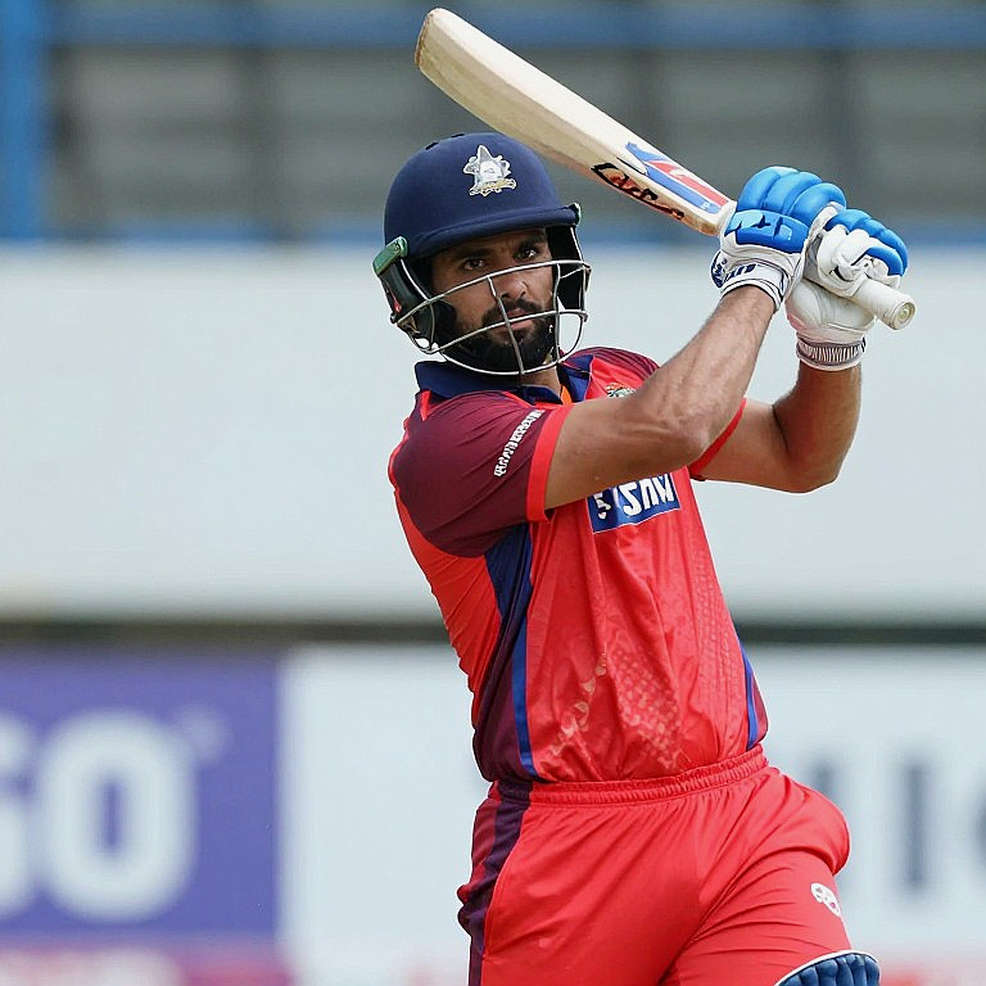
Litchfield's Powerplay blitz
Chasing, Thunder needed a start that kept the required rate in check, and Litchfield provided exactly that — 41 off 19 balls with six fours and one six. Thirty of those 41 runs, around 73 per cent of her output, came in boundaries. It is a high-variance but high-ceiling T20 profile. Notably, she was dismissed off the last ball of the Powerplay, having done her damage inside the fielding-restriction window.
Knight's control: fifty off 27 balls
After Litchfield fell, the hard part began: keep the rate, protect the middle, take the innings deep. Knight did precisely that. Her fifty came off 27 balls, an elite tempo to the milestone, and she finished unbeaten on 54. Alongside Anika Learoyd, who contributed a useful 37, she shared a 63-run stand that became the bridge of the chase. Anchors rarely produce the most eye-catching numbers in T20, but a chase of 179 needs one batter to hold an end so the aggressors around her can play freely. Knight's value here was composure and average rather than raw strike rate.
Harris: the specialist finisher
If Knight held the chase together, Harris ended it. Thirty-five from 16 balls, a flurry of fours and sixes, and suddenly the game was over with 20 balls unused. Her value is situation-dependent: she thrives chasing, and her record setting a total is less proven.
Voll's under-reported all-round contribution
Georgia Voll fell cheaply with the bat but took 2 for 25 and, most importantly, broke the Harris–Bhatia partnership. In a single-innings report, that bowling return is easy to overlook; in the result, it was directly decisive.
Squad structure: three gears versus one axis
Thunder's top order is built for chasing — a Powerplay aggressor, a tempo controller and a finisher. Each role is clearly defined, with Learoyd and Voll adding depth and Nadine de Klerk covering the seam-bowling and lower-order requirements. Heat, by contrast, depend on the Harris–Redmayne axis. Both fired and the side still lost. Heat need a fourth reliable contributor, preferably a power-hitter at five or six.
No external distortions
Heat won the toss and batted. There was no rain, no Duckworth-Lewis, no umpiring controversy mentioned. The result was decided on the field. One match cannot establish season form, but within this fixture, process and outcome agree.
Where the risks lie
Thunder's risk is upstream, not on the field: their chase depends heavily on experienced, overseas operators — Knight and de Klerk — plus the young Litchfield. A single absence could destabilise the balance. Overseas scheduling and NoC windows remain a structural pressure across the WBBL. For Heat, the risk is a shallow scoring base behind two fifties, and a selection rebalance — an extra power-hitter — would be a natural reaction.
The WBBL's global character
A single fixture featuring England's Knight, South Africa's de Klerk, Ireland's Prendergast and India's Bhatia is a clear demonstration of the league's international pull. It also sits on the fault line of women's franchise cricket's two-pole market — the WBBL as incumbent, India's WPL as the higher-paying newcomer. This match report carries no attendance, broadcast or salary data, so no commercial conclusion can be drawn from it.
The bottom line
Two wins from two is a meaningful early marker but not proof of title credentials; the sample is one match. What this game did establish is that Thunder have three batters for three phases and a bowling attack that shares wickets and squeezes at the death. The quieter, less-discussed story is that Brisbane Heat must find a fourth contributor behind their two half-centurions — because 178 on a good pitch is no longer a defendable total.